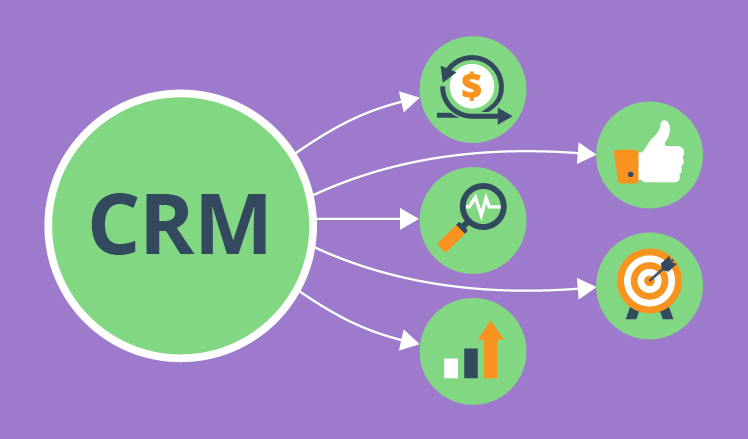
In the ever-evolving world of sales, having the right tools at your disposal can make all the difference between success and stagnation. That’s where Sales CRM (Customer Relationship Management) software comes in, offering robust solutions tailored to the needs of sales teams. In this comprehensive guide, we’ll explore the key features, benefits, and considerations for selecting the best Sales CRM software to empower your team and drive revenue growth.
Understanding Sales CRM
Sales CRM software is designed to help sales teams manage their interactions with prospects and customers, streamline sales processes, and track performance metrics. These platforms provide a centralized database to store customer information, automate sales tasks, manage leads and opportunities, and analyze sales data to make informed decisions. By leveraging Sales CRM software, organizations can optimize their sales processes, improve productivity, and drive revenue growth.
Key Features to Look for in the Best Sales CRM
- Contact Management: The ability to manage and organize customer contacts is fundamental to any Sales CRM software. Look for a solution that offers robust contact management features, allowing sales teams to store, categorize, and track customer information, interactions, and engagement history.
- Lead and Opportunity Management: Sales CRM software should include features for managing leads and opportunities throughout the sales pipeline. This includes lead tracking, lead scoring, opportunity management, and pipeline visualization tools to help sales teams prioritize activities and focus on high-value opportunities.
- Sales Process Automation: Automation features can help streamline repetitive sales tasks, such as lead assignment, follow-up reminders, and email notifications. Look for a Sales CRM solution that offers customizable workflows, automation rules, and task automation capabilities to improve efficiency and productivity.
- Email Integration: Email is a critical communication channel for sales teams, so it’s essential to choose a Sales CRM software that integrates seamlessly with popular email platforms like Gmail, Outlook, and Office 365. Look for features such as email tracking, automated email campaigns, and the ability to sync email correspondence with customer records.
- Reporting and Analytics: Data-driven insights are invaluable for sales teams looking to track performance, identify trends, and make informed decisions. Choose a Sales CRM software that offers robust reporting and analytics features, including customizable dashboards, pre-built reports, and the ability to create custom reports based on specific metrics and KPIs.
- Mobile Accessibility: Sales professionals are often on the go, so it’s crucial to choose a Sales CRM software that offers mobile apps or responsive web interfaces. This allows sales teams to access customer data, track activities, and manage opportunities from anywhere, at any time, using their mobile devices.
Benefits of Using the Best Sales CRM
- Improved Productivity: Sales CRM software streamlines sales processes, automates repetitive tasks, and provides sales teams with valuable insights into customer needs and buying behavior. This leads to increased productivity, shorter sales cycles, and higher win rates for sales teams.
- Enhanced Collaboration: Sales CRM software facilitates collaboration and communication among team members by providing a centralized platform for sharing customer information, tracking activities, and coordinating efforts. This improves teamwork, alignment, and accountability within sales organizations.
- Better Customer Relationships: By centralizing customer data and interactions, Sales CRM software enables sales teams to provide personalized and tailored experiences to their customers. This leads to stronger relationships, increased customer satisfaction, and higher levels of loyalty and retention.
- Increased Revenue: Ultimately, the goal of Sales CRM software is to drive revenue growth for organizations. By optimizing sales processes, improving productivity, and providing insights into customer behavior, Sales CRM software helps sales teams close more deals, increase deal sizes, and generate more revenue for the business.
Considerations for Choosing the Best Sales CRM
- Ease of Use: Sales CRM software should be intuitive and easy to use, with a user-friendly interface that allows sales teams to navigate seamlessly and perform tasks without extensive training.
- Scalability: Choose a Sales CRM software that can grow with your business over time, with scalable pricing plans, flexible customization options, and robust integration capabilities to support future expansion and evolution.
- Integration Capabilities: Look for a Sales CRM software that offers seamless integration with other business applications, such as marketing automation platforms, accounting software, and e-commerce platforms, to ensure data consistency and workflow efficiency.
- Customer Support and Training: Ensure that the Sales CRM software you choose offers comprehensive customer support and training options, including live chat support, online tutorials, help documentation, and responsive customer support teams to assist users when they encounter issues or have questions.
- Budget: Consider your budget constraints when evaluating Sales CRM software options, and choose a solution that offers the right balance of features and affordability for your business needs.
Top Sales CRM Solutions
- Salesforce: Salesforce is a leading Sales CRM software platform that offers a comprehensive suite of features for managing contacts, leads, opportunities, and sales pipelines. It’s highly customizable and scalable, making it suitable for businesses of all sizes and industries.
- HubSpot CRM: HubSpot CRM is a free Sales CRM software platform that offers features such as contact management, lead tracking, email integration, and pipeline management. It’s ideal for small and medium-sized businesses looking for a user-friendly and affordable CRM solution.
- Zoho CRM: Zoho CRM is a robust Sales CRM software platform that offers a wide range of features, including contact management, lead scoring, workflow automation, and advanced reporting and analytics. It’s suitable for businesses looking for a customizable and scalable CRM solution.
- Pipedrive: Pipedrive is a simple yet powerful Sales CRM software platform that focuses on sales pipeline management and deal tracking. It offers features such as contact management, pipeline visualization, activity tracking, and email integration, making it ideal for sales teams focused on closing deals.
- Freshsales: Freshsales is a user-friendly Sales CRM software platform that offers features such as contact management, lead scoring, email tracking, and workflow automation. It’s suitable for businesses looking for an easy-to-use and affordable CRM solution with advanced functionality.
Conclusion
Choosing the best Sales CRM software for your organization is a critical decision that can have a significant impact on your sales performance and business success. By understanding your business needs, evaluating key features and considerations, and exploring top Sales CRM solutions, you can select a platform that aligns with your goals, budget, and scalability requirements. Whether you’re looking to improve productivity, enhance customer relationships, or drive revenue growth, implementing the right Sales CRM software can empower your sales team to achieve greater success and reach new heights of performance.